Data sovereignty
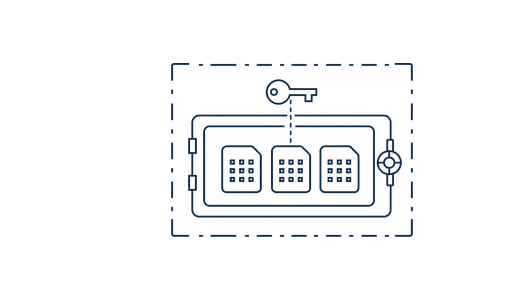
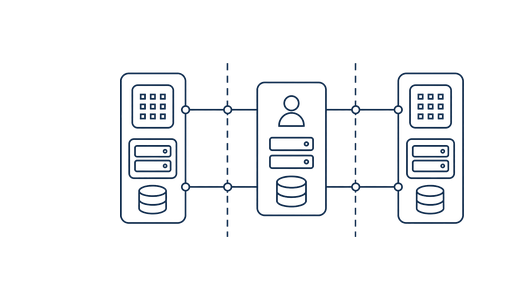
Keep data subject to the rules of the intended jurisdiction through location control, encryption, access governance, segmentation, and clear data boundary design.
Residency | Privacy | Keys | IAMSolution
Arcfra Enterprise Cloud Platform helps organizations keep control over data, operations, and technology while running VM, Kubernetes, and AI workloads in customer-selected locations.
Gartner aligned model
Digital sovereignty is not a single feature. Gartner frames it around data, operational, and technological sovereignty, with higher autonomy often requiring more deliberate trade-offs in service model, operating model, and upgrade control. Arcfra positions AECP for organizations that need strong operational and technological control without giving up modern cloud capabilities.
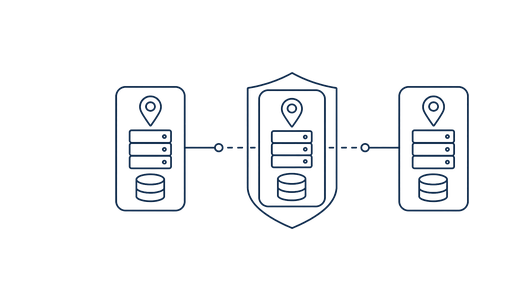
Keep data subject to the rules of the intended jurisdiction through location control, encryption, access governance, segmentation, and clear data boundary design.
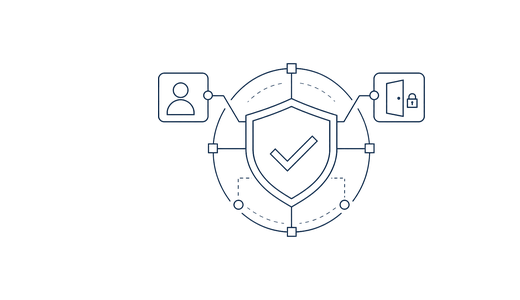
Residency | Privacy | Keys | IAMRun cloud infrastructure with local visibility and control. Customers or approved local partners can manage, monitor, audit, and maintain the environment.
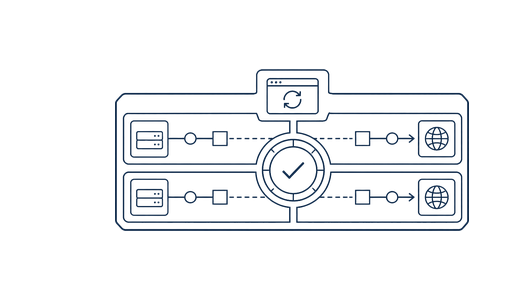
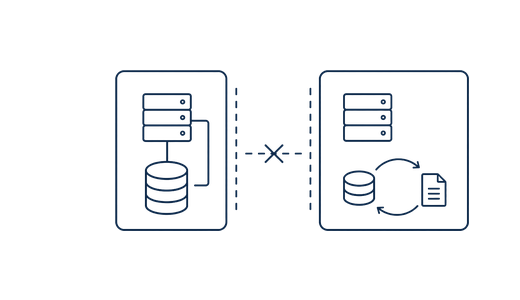
Local ops | Monitoring | Audit | PolicyPreserve continuity and autonomy by running a full-stack private cloud on customer-controlled infrastructure, including isolated or disconnected deployment patterns for critical environments.
Autonomy | Disconnected | Air-gapped readyAECP capability mapping
AECP combines Arcfra Cloud Operating System, Virtualization Engine, Block Storage, File Storage, Network Service, Kubernetes Engine, Operation Center, and Backup and DR. This turns sovereignty from a policy-only objective into an infrastructure design that can be deployed, operated, and audited.
Design encrypted storage and backup domains around customer-controlled key policies, local data placement, and workload-level recovery requirements.
Keep VM, container, file, backup, and replicated data inside approved locations through explicit placement, replication, and DR policies.
Use centralized management to govern clusters across sites, define operational responsibility, and maintain visibility into health and change activity.
Operate the cloud directly, keeping platform control, maintenance windows, software updates, and support access aligned with local requirements.
Separate workload networks, tenant networks, storage paths, and management access with VPC networking and micro-segmentation.
Deploy critical environments where external connectivity, software updates, and support workflows are governed by customer approval.
AOC management, identity integration, role control, cluster visibility, and operational audit workflows.
Distributed block and file storage, multi-level availability, backup, active-active clusters, and async replication.
VPC networking, distributed firewall, micro-segmentation, and load balancing for VM, container, and physical services.
KVM-based virtualization, VM lifecycle management, production Kubernetes, bare-metal options, and pre-integrated add-ons.
Native agentless backup, stretched active-active clusters, async replication, and workload protection across sites.
Pure software stack on mainstream x86 servers, broad hardware compatibility, customer-selected locations, and local upgrade control.
Deployment blueprint
Sovereign cloud programs fail when infrastructure, governance, and operations are evaluated separately. Arcfra’s approach starts with business impact analysis, then maps sovereignty targets to concrete platform boundaries, operating roles, and continuity design.
Prioritize data, operational, or technological sovereignty based on business impact, regulatory exposure, and workload criticality.
Document where data, management traffic, telemetry, support access, and backup copies may move, and which parties can operate each layer.
Build AECP on customer-selected x86 infrastructure across core data centers, regional sites, factories, edge locations, or partner-operated facilities.
Validate recovery, local operations, software update approval, support access procedures, and disconnected operations for critical workloads.
Priority use cases
AI adoption, geopolitical uncertainty, and operational resilience are increasing demand for cloud environments that can stay under local control. AECP supports both traditional applications and cloud-native services in the same sovereign platform.
Host regulated systems, databases, VDI, and analytics workloads with local operations, micro-segmentation, and controlled replication.
Operate critical services in customer-controlled locations with documented access boundaries and disconnected deployment options.
Run multi-factory VM and container platforms close to production systems while centralizing visibility across sites.
Keep model-serving, inference data, and AI-adjacent systems inside approved infrastructure for latency, privacy, and autonomy needs.
Protect sensitive clinical, research, and patient data with local data placement, access governance, and resilient platform operations.
Run operational systems in controlled environments that support local autonomy, site-level resilience, and documented recovery procedures.
Evaluation checklist
Use these checkpoints to evaluate sovereign platforms. They help separate generic private cloud claims from real sovereign cloud readiness.
Classify workloads by data, operational, and technological sovereignty needs before choosing a deployment model.
Define approved locations for primary storage, snapshots, backup repositories, DR copies, logs, and telemetry.
Specify customer, partner, and vendor roles for management, support, emergency access, patching, and audit evidence.
Document control-plane flows, support paths, identity integrations, and any metadata that may leave the target jurisdiction.
Validate software update approval, license behavior, support process, monitoring, and operational continuity during isolation.
Evaluate VM, Kubernetes, storage, network security, DR, performance, and operational simplicity before considering sovereignty features alone.
Arcfra can help partners and customers assess workload sovereignty needs, map them to AECP capabilities, and design a local operating model that supports compliance, resilience, and long-term autonomy.